Wastewater treatment - Textile and tanning sector
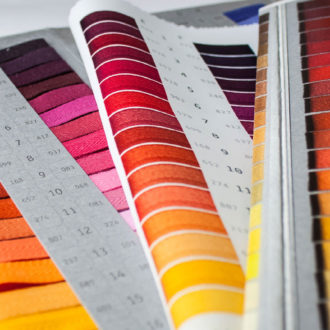
Los grandes consumos de agua en la industria textil tienen lugar, en dos etapas: la tintura de las fibras y los procesos de acabado de los tejidos. La obtención de las materias primas (cultivos de algodón, lino, etc., o lana, seda y similares de origen animal) es otro de los pasos que mayor consumo de agua implica.

In general, the polluting products that carry wastewater in the tanning industry are salts, manure and dirt from dirty skins. We also find dissolved organic matter from fats, hair, keratin, leftovers of meat, skin and dissolved proteins of animals, as well as remains of products such as tanning agents, synthetics, grease, dyes used in tanning. Finally, we find mineral salts used in conservation and tanning.

textil 02 330x330 - Tratamiento de aguas residuales - Sector textil y curtición
textil 01 330x330 - Tratamiento de aguas residuales - Sector textil y curtición

Ventajas Bewat

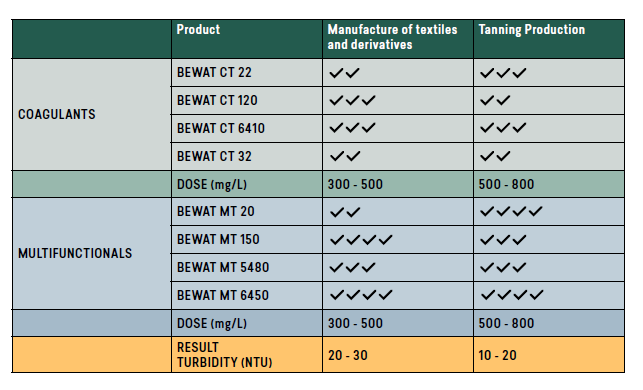
Los productos BEWAT eliminate the solids in suspension of the treated waters and help to discolor them. In addition, they favor biological processes and do not increase conductivity like inorganic or synthetic coagulants. In this way, water quality is improved, allowing compliance with discharge parameters and adequate water for reuse.

Tabla comparativa
TEXTIL - Tratamiento de aguas residuales - Sector textil y curtición